Project Glasswing: Securing Critical Software for the AI Era
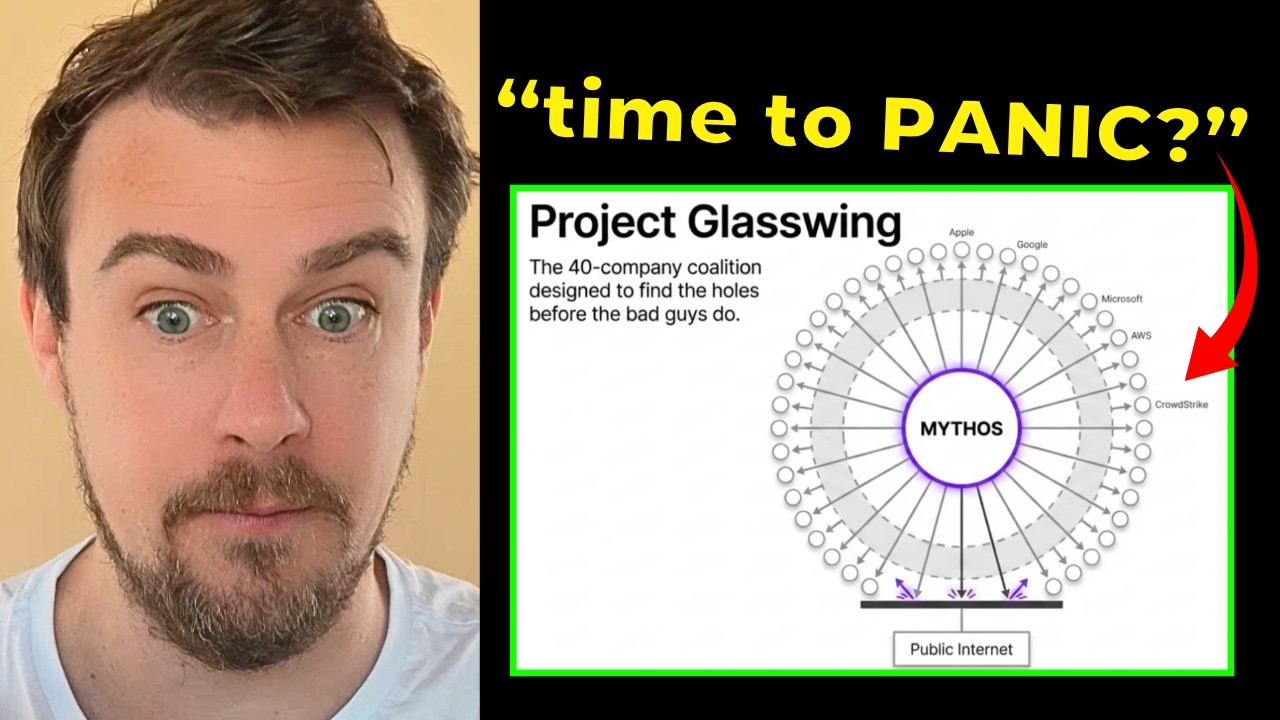
The project's launch partners will utilize **Mythos Preview** as part of their defensive security work, while Anthropic will share its findings to benefit the e
Summary
The project's launch partners will utilize **Mythos Preview** as part of their defensive security work, while Anthropic will share its findings to benefit the entire industry. The initiative is seen as a starting point, with no single organization able to solve the complex cybersecurity problems alone. The work of defending the world's cyber infrastructure is expected to take years, with **frontier AI capabilities** likely to advance substantially over the next few months. [[artificial-intelligence|AI]] models have become increasingly effective at reading and reasoning about code, making it easier for attackers to find and exploit software vulnerabilities. The need for a collaborative effort to address AI-powered cyberattacks is emphasized by the fact that many flaws in software go unnoticed for years, and the latest **AI models** have dropped the cost, effort, and level of expertise required to find and exploit software vulnerabilities.
Key Takeaways
- Project Glasswing is a collaborative effort to utilize AI capabilities for securing critical software infrastructure.
- The project's launch partners include Amazon Web Services, Apple, Google, and others.
- Anthropic is committing up to $100M in usage credits for Mythos Preview and $4M in direct donations to open-source security organizations.
- The project's success relies on the collaboration of various stakeholders, including frontier AI developers, software companies, security researchers, open-source maintainers, and governments.
- The project's outcome will have significant implications for the cybersecurity landscape, and its success or failure will impact the industry's ability to defend against AI-powered cyberattacks.
Balanced Perspective
Project Glasswing is an initiative aimed at utilizing AI capabilities for securing critical software infrastructure. The project's launch partners will use **Mythos Preview** as part of their defensive security work, while **Anthropic** will share its findings to benefit the entire industry. The initiative is seen as a starting point, with no single organization able to solve the complex cybersecurity problems alone. The work of defending the world's cyber infrastructure is expected to take years, with **frontier AI capabilities** likely to advance substantially over the next few months. The project's success relies on the collaboration of various stakeholders, including **frontier AI developers**, **software companies**, **security researchers**, **open-source maintainers**, and **governments**. [[artificial-intelligence|AI]] models have become increasingly effective at reading and reasoning about code, making it easier for attackers to find and exploit software vulnerabilities. The project's outcome is uncertain, and its impact on the cybersecurity landscape will depend on various factors, including the effectiveness of **Mythos Preview** and the level of collaboration among stakeholders.
Optimistic View
Project Glasswing represents a significant step forward in harnessing AI for defensive cybersecurity purposes. By leveraging **Claude Mythos Preview**, the project has the potential to identify and address high-severity vulnerabilities before they can be exploited by malicious actors. The collaboration between launch partners and the commitment of resources by **Anthropic** demonstrate a proactive approach to addressing the growing concern of AI-powered cyberattacks. With the support of over **40** additional organizations, the project can make a substantial impact on securing critical software infrastructure. [[cybersecurity|Cybersecurity]] experts believe that this initiative can help prevent devastating cyberattacks and protect **critical infrastructure**. The project's success could also lead to the development of more effective **AI-powered security tools**, further enhancing the industry's ability to defend against cyber threats.
Critical View
Despite the launch of Project Glasswing, the cybersecurity landscape remains challenging, and the project's success is far from guaranteed. The initiative relies on the collaboration of various stakeholders, including **frontier AI developers**, **software companies**, **security researchers**, **open-source maintainers**, and **governments**. However, the complexity of cybersecurity problems and the rapid advancement of **frontier AI capabilities** may hinder the project's progress. Additionally, the project's focus on defensive security measures may not be enough to prevent AI-powered cyberattacks, which could have devastating effects on **critical infrastructure**. The estimated global financial costs of **cybercrime** are already around **$500B** every year, and the situation may worsen if the project fails to deliver significant results. [[cybersecurity|Cybersecurity]] experts emphasize the need for a more comprehensive approach to addressing AI-powered cyberattacks, including the development of more effective **AI-powered security tools** and the implementation of robust **security protocols**.
Source
Originally reported by Anthropic